
The future of digital payments: what this means for your business
Reading time: 4min
25 March 2026
Europe’s payments architecture is changing fast. And the regulation that is changing with it should not be seen as a hinderance, but rather as a safe playing field for further innovation.
The Opens in a new tabMarkets in CryptoAssets Regulation (MiCA) and Opens in a new tabDigital Operational Resilience Act (DORA) are now in force across the European Union. Euro denominated stablecoins are moving from concept to reality with the creation of stablecoins such as Opens in a new tabQivalis, by a consortium of European banks. The question is no longer whether these mechanisms exist, but whether your organisation is ready to use them safely and effectively.
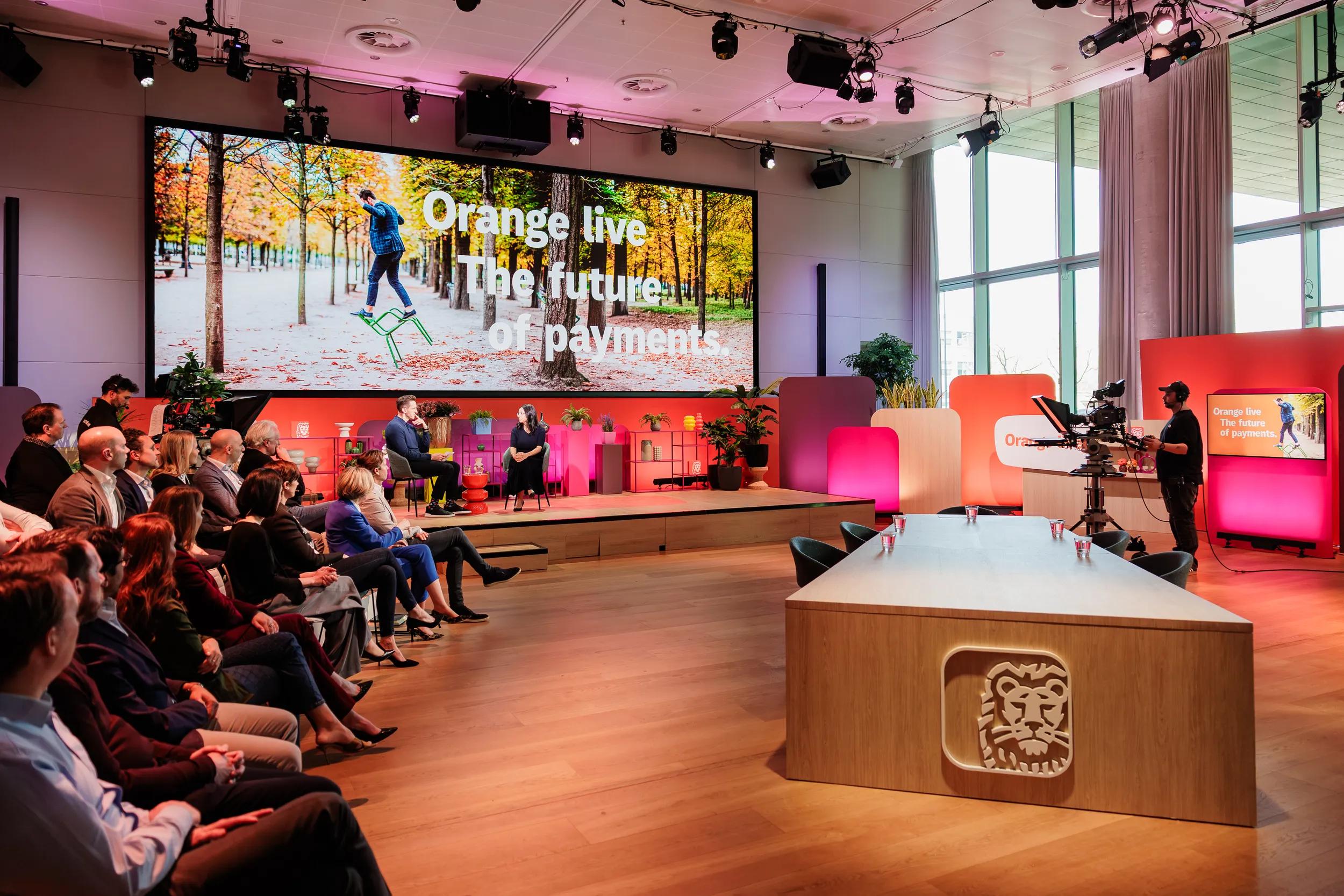
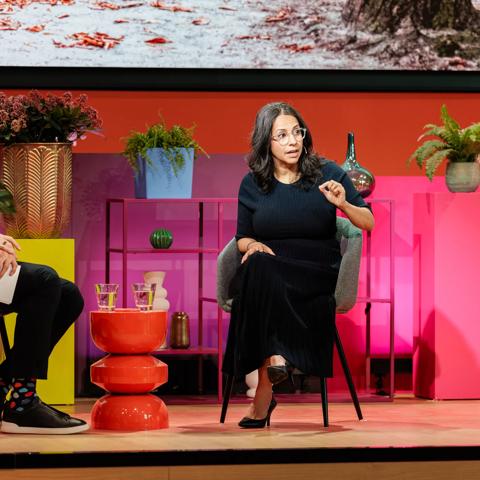
Leading experts including former EU commissioner Mairead McGuinness and Neha Narula, director of the Digital Currency Initiative at MIT Media Lab, joined ING’s exclusive Orange Live webinar to discuss the future of payments and the role of regulation in defining it. The message was consistent: the architecture is in place, trust is essential, and organisations that engage now will be ahead of those that wait.
Break out: First things first: quick definitions
- Stablecoin: a digital form of money designed to keep a stable value, typically pegged 1‑to‑1 to a currency such as the euro. Businesses can hold and transfer it on permissioned or public blockchains.
- Tokenised asset: a digital token that represents ownership of something else, for example a deposit, bond or invoice. Unlike a stablecoin, it is not money itself.
- Payment rails: the underlying networks that move money and data between parties, from card schemes and instant payment systems to blockchain‑based settlement networks. Think of rails as the “roads” your payments travel on.
Why this matters now
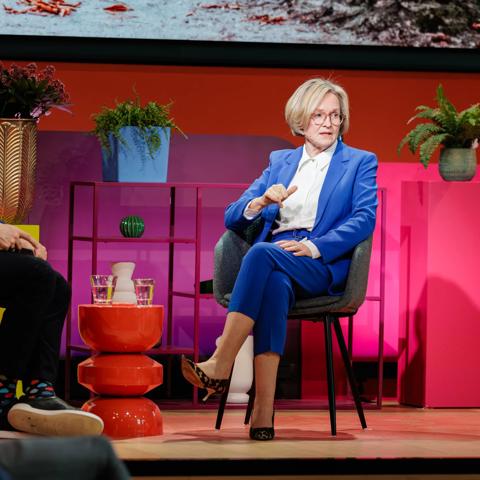
MiCA brings clear rules for how crypto‑asset issuers and service providers operate in the EU, including rules for euro‑denominated stablecoins. DORA sets mandatory standards that help financial institutions stay resilient against outages and cyberattacks. Together, they set both the “what” and the “how” for safe adoption. As Mairead McGuinness has framed it, the task is to envisage tomorrow’s financial system and write rules that are fit for that future. Neha Narula adds that regulation works best when it can update as technology evolves.
What your business can gain
- Faster settlement and 24/7 availability: move value outside cut‑off times and weekends, which can reduce liquidity buffers.
- Lower friction for cross‑border flows: fewer intermediaries for certain corridors can mean lower fees and fewer delays.
- Tighter controls and automation: programmable payments can embed approval rules, limits and triggers in the payment itself.
- Clearer reconciliation: on‑chain records can improve traceability and simplify matching.
These benefits depend on sound risk management, bank‑grade infrastructure and compliance with MiCA and DORA.
Where to focus next
- Plan for multiple ways to move money
The future will be multi‑rail. You will use different networks for different jobs: instant payments for salaries, card schemes for point‑of‑sale, and permissioned blockchains for on‑chain cash management. Map which rails you will use, when and why. Identify process and control gaps now, not under pressure. - Ask your bank how they are preparing
As Elvira Kruger, ING’s head of Transaction Services, notes: “The responsibility of banks is much broader than just getting money from A to B. Banks have a role to play in ensuring stability of the entire financial system and the entire economy.” Ask your partners what they are building for stablecoins and tokenised assets, how their strategy aligns with your needs, and why they are or are not raising these topics with you. ING’s role in Qivalis, reflects the shift from observation to implementation. - Monitor regulatory implementation
Track how MiCA is applied in the markets where you operate and follow the growth of euro‑denominated stablecoins alongside other global frameworks. As Mairead McGuinness puts it: “Let’s innovate, let’s get the benefits - but let’s not be naive to the risks.” Treat engagement as a “how,” not a “whether.”
Trust, dollar dominance and Europe’s response
Trust is the foundation of any financial system, and it is fragile. A major failure, whether a stablecoin collapse, large‑scale fraud or a critical cyberattack, would damage confidence across the ecosystem. This is why MiCA and DORA should be seen as conditions for safe innovation, not barriers to it.
There is also a strategic dependency question. Most stablecoins today are dollardenominated. If tomorrow’s rails are built mainly on dollar instruments, European firms face greater currency exposure and less monetary autonomy. That is why ING and 12 other European banks created Qivalis. As supervisory board member Marieke Flament puts it: “Our biggest threat is probably the fact that we do not have large euro denominated stablecoins.”