
You have been logged out successfully
Thank you for using InsideBusiness. Stay ahead with selected insights on payments, financing and sustainability.
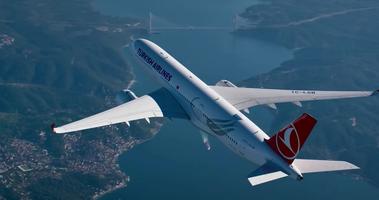
The Difference Files: How ING financed two Airbus A350s for Turkish Airlines
In the latest episode of The Difference Files, our Wholesale Banking series about complex client transactions, we tell the story of how ING helped make this deal happen.
The Difference Files: How ING financed two Airbus A350s for Turkish Airlines
To what extent is the rise in long-dated rates attributable to AI?
Probably 20% of the total influences. And of that, 70% reflects productivity and 25% is AI issuance. It's a view based absolutely on what the numbers say, but in the end it's a judgement call (as objective as doable, overlaid with a large dollop of subjectivity).
To what extent is the rise in long-dated rates attributable to AI?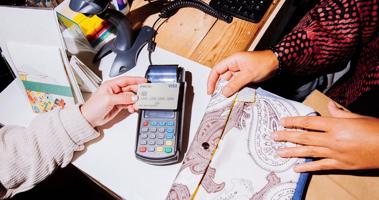
From payment to predictable payouts
Consumers expect payments to happen in seconds, whether online or in-store. But for merchants, what happens next matters just as much. That's why ING and PinDirect, a provider of payment solutions and merchant transaction processing services, worked together to bring Instant Payments to merchant payouts.
From payment to predictable payouts